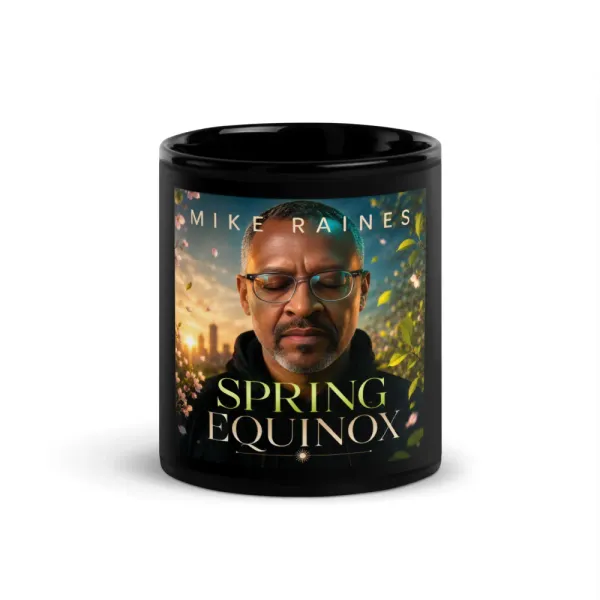
Meet Mike Raines, a jazz pianist whose musical journey spans more than four decades, seamlessly intertwining the worlds of live and recording sound engineering with music production. His career began in the most unexpected of places—behind the console as a live and recording sound engineer while in Germany—where he first learned to sculpt raw soundscapes into cohesive musical arrangements.
That early fascination evolved into a lifelong pursuit of sonic craftsmanship, as he learned to treat every arrangement as a soundscape to be built layer by layer—balancing tone, space, and texture—refining his ear and approach as he collaborated with a veritable who's who of the entertainment industry.
Raised in New Britain, Connecticut, Mike Raines developed an unusually broad musical perspective from an early age. Growing up in a richly diverse neighborhood, he absorbed every style he encountered—from soul, rock and country to jazz and pop—without ever seeing genre as a limitation. Fascinated as much by the complete entertainment experience as the music itself, he became captivated by everything from television variety shows and silent films to the transformative power of live performance. After beginning his early musical life on bass before eventually embracing keyboards years later, his curiosity about why certain sounds moved people gradually evolved into a lifelong fascination with production, engineering and the science of sound itself.
That curiosity expanded dramatically during six years in the United States Air Force while stationed at Ramstein Air Base in Germany. Initially serving as a DJ, host and producer of large-scale variety shows, Raines soon found himself coordinating concert productions, interpreting technical riders and overseeing every aspect of live entertainment. The experience launched a career that would eventually encompass recording engineering at Memphis' famed Ardent Studios and Royal Studios, production management for international touring artists, leadership roles in concert production throughout the United States and abroad, and ultimately the founding of his own Chicago creative hub, Noize Studios, where the music that became Fresh Air quietly accumulated over many years.